
People Are Moving to Tax Havens Like Paraguay: A Growing Trend
The global landscape of work, taxation, and mobility is changing rapidly. Higher taxes, growing public debt, political uncertainty, and the normalization of remote work are reshaping how people think about where they live and build their financial future.
Relocating to a lower-tax country is no longer a niche strategy reserved for the ultra-wealthy. It has become a realistic option for entrepreneurs, professionals, retirees, and globally mobile families. Within this broader shift, Paraguay is emerging quietly as one of the most attractive destinations for those seeking tax efficiency, affordability, and long-term stability.
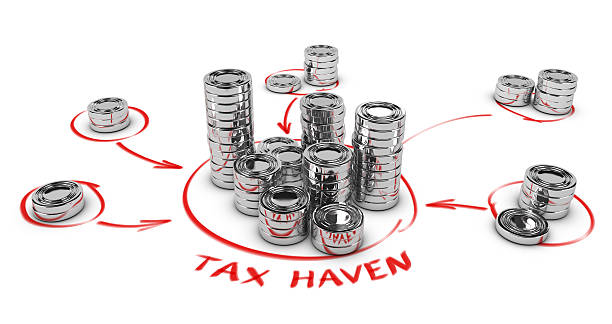
This is not the result of aggressive marketing or government-led campaigns. Paraguay’s appeal lies in structural factors: a simple tax system, accessible residency, low living costs, and a relatively stable macroeconomic environment. Together, these elements position the country as a modern alternative to traditional tax havens.
The Evolution of Tax Migration
Why tax migration is accelerating globally
Tax migration has become a defining trend of the past decade. It reflects not just a desire to reduce taxes, but a broader effort to preserve wealth, increase personal autonomy, and improve quality of life.
Several global forces are driving this shift.
Rising tax pressure in developed economies
Many high-income countries face mounting public debt and fiscal strain. Governments have responded with higher taxes on income, capital gains, property, and wealth. For individuals and business owners, this has materially reduced after-tax returns.
In parts of Europe and North America, top marginal income tax rates exceed 45–50%. Capital gains and property taxes have also risen, particularly in large urban centers. These pressures are pushing people to explore jurisdictions where taxation is simpler and more predictable.
Remote work and geographic flexibility
The remote work revolution has decoupled income from location. Professionals in technology, consulting, finance, and creative industries are no longer tied to a specific city or country.
This flexibility allows individuals to choose jurisdictions based on lifestyle, cost of living, and tax efficiency rather than proximity to an office. Countries that combine affordability with legal clarity are natural beneficiaries of this shift.
Economic and political instability
In regions experiencing inflation, capital controls, or policy volatility, migration has become a form of risk management. Argentina is a clear example. Persistent inflation and currency restrictions have led many residents to relocate capital and residency to neighboring countries perceived as more stable.
Paraguay, with its open financial system and conservative macro policies, has become a natural destination for this type of migration.
Why Paraguay Is Gaining Attention
A tax system designed for simplicity
Paraguay operates one of the simplest tax regimes in Latin America.
- A flat 10% personal income tax
- A 10% corporate tax rate
- No capital gains tax for individuals on most asset sales
- Very low annual property taxes, typically around 0.5% of cadastral value
This structure reduces complexity and long-term uncertainty. For many residents, the most important feature is not just low rates, but predictability.
Accessible and practical residency options
Paraguay offers one of the most straightforward residency processes in the region.
Requirements are minimal and typically include:
- basic documentation,
- a clean criminal record,
- and a modest local bank deposit.
There are no language tests and no strict minimum stay rules. This makes Paraguay particularly attractive for people who want legal residency without being forced into immediate relocation.
Political and economic stability
Compared to several neighboring countries, Paraguay has maintained a relatively stable political environment and consistent economic growth. Inflation has remained moderate, and fiscal policy has been conservative.
For investors and families alike, this stability reduces long-term planning risk.
Cost of living and lifestyle in Paraguay
Paraguay offers a high quality of life at a cost significantly lower than most traditional tax havens.
- Modern apartments in Asunción remain affordable by regional standards.
- Food, healthcare, and private education are accessible.
- The pace of life is slower, with less congestion and social pressure than in major global cities.
This combination allows residents to maintain a comfortable lifestyle without excessive spending.
Paraguay’s Real Estate Market in Context
Pricing and accessibility
Real estate prices in Paraguay remain low compared to regional peers. This reflects both the country’s income levels and the absence of speculative excess.
For foreign buyers, this creates an accessible entry point. Properties are typically purchased outright, with limited reliance on leverage. This reduces systemic risk and contributes to price stability.
Rental demand and investment profile
Rental demand is concentrated in urban areas, particularly Asunción. Demand is driven primarily by locals, expats, and regional professionals rather than mass tourism.
This results in moderate but stable rental yields. Paraguay should be viewed as a capital preservation and diversification market, not a high-yield play.
Land and long-term optionality
Beyond residential property, Paraguay attracts interest for agricultural and development land. Low holding costs and long-term infrastructure expansion create optionality for patient investors.
Who Is Moving to Paraguay
Entrepreneurs and business owners
Low corporate taxes, modest regulation, and proximity to major South American markets make Paraguay attractive for small and medium-sized businesses. Operating costs are low, and regional access is strong.
Digital nomads and remote professionals
Remote workers value Paraguay’s affordability, residency flexibility, and improving infrastructure. Internet access continues to expand, and the cost of living allows for a comfortable base without excessive expenses.
Retirees
Retirees are drawn by low living costs, accessible healthcare, and a relaxed lifestyle. Paraguay does not require large pension income or complex financial disclosures, which lowers barriers to entry.
Investors
Real estate and agriculture attract long-term investors seeking diversification. The absence of capital gains tax for individuals adds to the appeal.
Families
Families benefit from affordable private education, safe neighborhoods, and access to nature. The growing international community makes integration easier for newcomers.
A Growing and Diverse Expat Community
Paraguay’s expat population is expanding steadily. Entrepreneurs, retirees, professionals, and investors form a diverse but interconnected community. This network effect lowers friction for new arrivals and reinforces Paraguay’s reputation as a practical relocation destination rather than a speculative trend.
Paraguay’s residency framework is nationality-neutral in theory — but practical execution varies depending on your passport, tax residency history, and banking exposure. If you are relocating as an investor, entrepreneur, or remote worker, explore our dedicated guides for Paraguay Residency for Brazilians (2026) – Taxes, Cost & Complete Guide, Paraguay Residency for US Citizens – Tax, Cost & Timeline (2026 Guide), and Paraguay Residency for Czech Citizens (2026 Guide) to understand documentation sequencing and realistic timelines.
Conclusion: Paraguay and the Future of Tax Migration
Paraguay is not a traditional tax haven built on exclusivity, luxury branding, or aggressive fiscal incentives. Its appeal lies in accessibility, long-term stability, and structural simplicity—qualities that are becoming increasingly valuable as global tax systems grow more complex and intrusive.
As tax pressure continues to rise across developed economies, tax migration is no longer a niche strategy. It has become a mainstream consideration for entrepreneurs, investors, remote workers, and retirees who are reassessing where it makes sense to live, work, and hold assets. Higher income taxes, expanding capital gains regimes, and growing regulatory oversight are accelerating this reassessment.
Within this broader shift, Paraguay offers a practical alternative. Its low and transparent tax system, affordable cost of living, and accessible residency program allow individuals to legally reduce tax exposure while maintaining financial and geographic flexibility. Importantly, this can be achieved without sacrificing legal certainty or quality of life, which is a growing concern in more aggressive tax-planning jurisdictions.
What distinguishes Paraguay from many so-called tax havens is its long-term positioning. It is not designed for short-term tax arbitrage or rapid relocation cycles. Instead, it functions as a long-duration base—a place where individuals can establish residency, invest in real estate, and structure their affairs with a multi-year or multi-decade horizon in mind. This makes Paraguay particularly attractive for those seeking stability rather than temporary relief.
As global mobility increases and remote work becomes a permanent feature of the economy, countries that combine low taxes, political stability, and affordable living are likely to attract sustained inflows of new residents. Paraguay fits this profile. Its relatively low visibility on the global stage also works in its favor, reducing policy volatility and limiting speculative migration driven by short-term trends.
For individuals evaluating where to relocate for tax efficiency, Paraguay is increasingly difficult to ignore. It offers a rare combination of legal clarity, economic predictability, and lifestyle affordability. In the evolving landscape of global tax migration, Paraguay stands out not as an escape route, but as a strategic, sustainable choice for the long term.


Leave a Reply