
When analyzing economic growth in Latin America, one factor consistently determines long-term competitiveness: infrastructure investment. Roads, ports, energy grids, telecommunications, and water systems are not just public works — they are the backbone of productivity, trade, and foreign investment.
For years, Latin America has lagged behind other emerging regions in infrastructure spending. However, Paraguay infrastructure investment is now positioning the country as one of the region’s most disciplined and forward-looking markets.
How Does Paraguay Compare to Latin America?
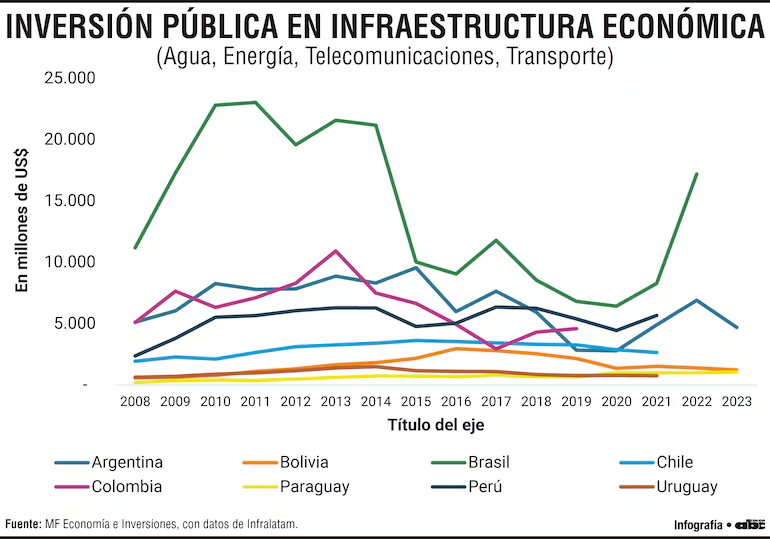
Between 2019 and 2023, public investment in economic infrastructure — including transportation, energy, telecommunications, and water systems — revealed clear differences across the region.
Paraguay invested approximately 2.5% of GDP in infrastructure, outperforming larger economies such as:
- Argentina
- Chile
- Peru
Meanwhile, regional heavyweights like:
- Brazil
- Mexico
have invested less than 1% of GDP in comparable infrastructure categories.
Absolute Investment vs. Relative Commitment
While Paraguay dedicates a higher percentage of GDP, total volumes remain smaller due to the size of its economy:
- Brazil: Over $17 billion (2023)
- Argentina: $4.6 billion
- Paraguay: $1.05 billion
The key takeaway?
Paraguay may not outspend its neighbors in absolute terms, but its relative fiscal commitment signals strategic prioritization.
Strategic Sectors Driving Paraguay’s Infrastructure Growth
1. Energy Infrastructure: A Renewable Powerhouse
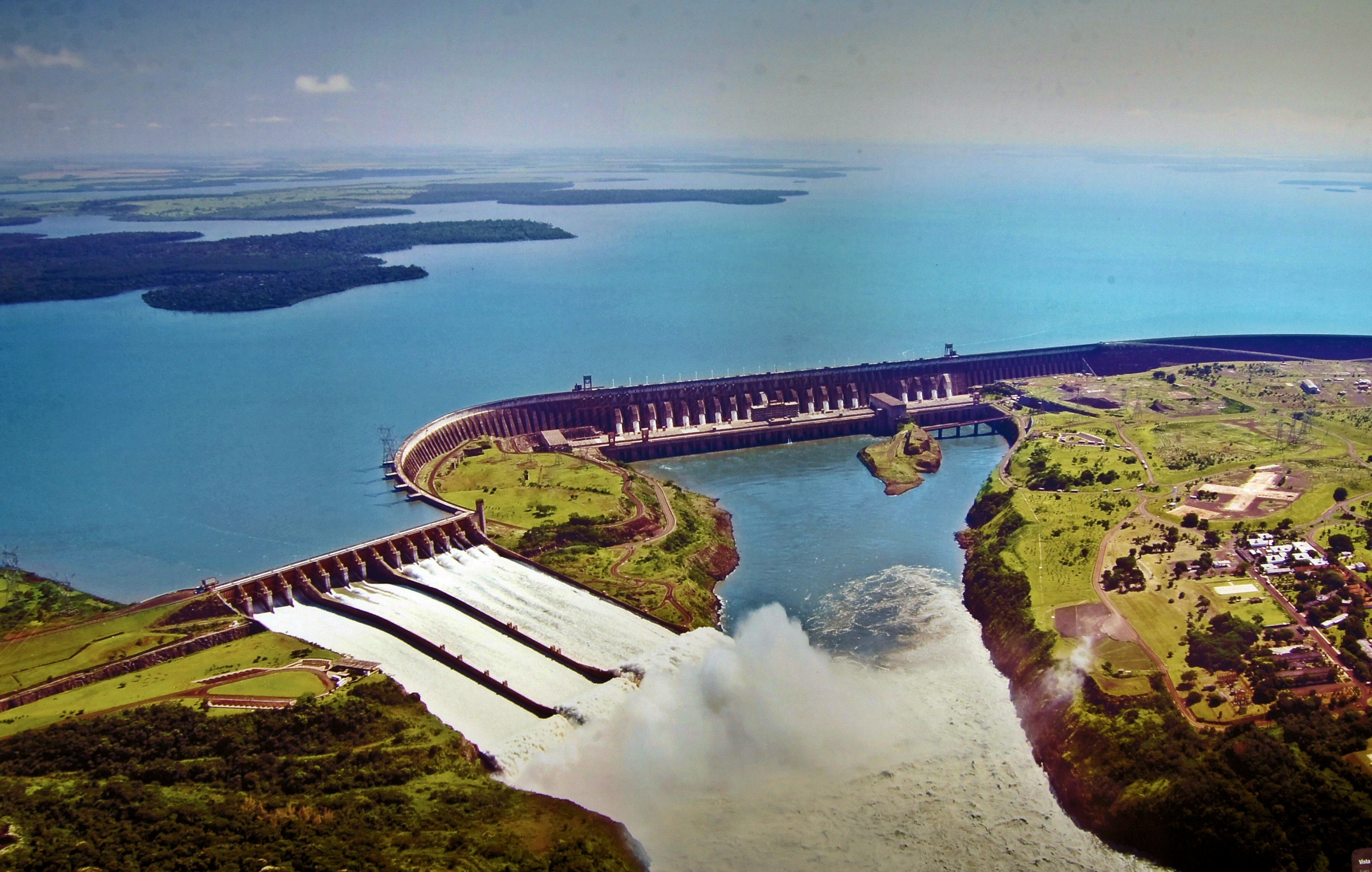
Paraguay is globally recognized for its hydroelectric capacity, primarily through the Itaipú Dam — one of the most powerful hydroelectric plants in the world.
Key facts:
- Supplies nearly 90% of Paraguay’s electricity
- Makes Paraguay one of the largest exporters of renewable energy globally
- Provides structural energy security with ultra-low production costs
This energy surplus creates long-term potential in:
- Industrial development
- Data centers
- Green hydrogen
- Energy-intensive manufacturing
2. Transportation & Logistics: A Landlocked Advantage

4
Despite being landlocked, Paraguay is strategically located in the heart of South America.
Infrastructure investments are strengthening:
- National highway networks
- River logistics via the Paraguay-Paraná waterway
- Cross-border trade corridors with Brazil and Argentina
- The Bioceanic Corridor project linking Atlantic and Pacific trade routes
This improves Paraguay’s position as a future regional logistics hub.
3. Telecommunications & Digital Infrastructure
4
Digital infrastructure in Paraguay is undergoing rapid modernization:
- Expanding fiber-optic networks
- Growing internet penetration
- Strengthening mobile connectivity
- Supporting fintech and remote work ecosystems
For investors and digital entrepreneurs, telecommunications growth enhances:
- Digital business scalability
- Outsourcing opportunities
- Startup ecosystem development
Structural Challenges in Paraguay Infrastructure Development
While the trajectory is positive, challenges remain:
- Bureaucratic delays in public execution
- Limited fiscal capacity for large-scale projects
- Heavy reliance on public-private partnerships (PPPs)
- Need for stronger long-term strategic planning
Recent reforms aim to improve transparency and streamline project implementation — critical for attracting international capital.
Why Infrastructure Investment Matters for Paraguay’s Future
Infrastructure is not just about roads and power lines. It determines:
- Productivity growth
- Foreign direct investment (FDI) attraction
- Export competitiveness
- Regional integration
With sustained infrastructure spending, Paraguay could realistically evolve into:
- A renewable energy exporter
- A logistics corridor between Brazil, Argentina, Bolivia, and Chile
- A low-cost industrial and manufacturing base
Unlike speculative boom markets, Paraguay’s model is built on:
- Conservative fiscal management
- Low public debt relative to regional peers
- Gradual, disciplined expansion
Investor Opportunities in Paraguay Infrastructure (2026 Outlook)
Energy Projects
Hydropower expansion, transmission systems, renewable integration, and energy-intensive industries.
Logistics & Transportation
River ports, warehousing, trucking networks, industrial parks, and export corridors.
Telecommunications
Data centers, fiber networks, fintech expansion, and digital services infrastructure.
Interesting Facts About Paraguay Infrastructure
- ⚡ Hydropower Giant: Itaipú ranks among the world’s largest hydroelectric producers.
- 🛣 Road network has significantly expanded over the past decade.
- 🌎 Strategic central location in South America enhances trade potential.
- 🤝 PPP reforms are attracting foreign investors.
- 📉 Public debt remains relatively low compared to many Latin American peers.
FAQ: Paraguay Infrastructure Investment
1. Why is infrastructure investment crucial for Paraguay’s growth?
Infrastructure improves connectivity, boosts productivity, supports trade logistics, and strengthens Paraguay’s regional competitiveness.
It also directly impacts foreign investment decisions, particularly for entrepreneurs considering relocation. Before structuring a move, many investors review Paraguay residency requirements (2026) to understand how infrastructure stability supports long-term planning.
2. How does Paraguay compare to neighboring countries?
Paraguay invests around 2.5% of GDP in infrastructure — higher proportionally than Argentina, Chile, Peru, Brazil, and Mexico — though absolute amounts remain smaller.
This disciplined allocation aligns with Paraguay’s broader fiscal model, which also explains why many foreign investors explore Paraguay’s territorial tax system before relocating capital.
3. Which sectors are prioritized?
Transportation, renewable energy (hydropower), and telecommunications are the primary focus areas.
For property investors, infrastructure upgrades in logistics corridors and urban connectivity directly influence Asunción real estate market trends, especially in emerging districts near new road and commercial developments.
4. What challenges does Paraguay face?
Key challenges include financing limitations, bureaucratic processes, and the need for deeper institutional planning reforms.
These structural realities are important for anyone considering business formation or relocation. Investors often combine infrastructure analysis with guides such as Paraguay tax filing explained or cedula Paraguay process overview to evaluate operational readiness.
5. Is Paraguay attractive for infrastructure investors?
Yes. Energy security, central geographic positioning, and fiscal discipline create a structurally attractive environment.
For digital entrepreneurs, this also connects to Paraguay’s growing digital backbone. Many remote professionals researching infrastructure stability also explore digital nomads in Paraguay: how residency works in practice.
6. What makes Paraguay’s renewable energy unique?
The country exports surplus electricity generated by Itaipú, offering one of the cleanest energy matrices in the world.
This energy surplus is one reason Paraguay is increasingly positioned as a long-term industrial and logistics platform — a factor often discussed in broader analyses such as reasons expats & investors get Paraguay residency 2026.
Final Assessment: A Structural Growth Story in the Making
Paraguay’s infrastructure investment strategy is not about aggressive expansion — it is about foundation building.
While absolute investment levels remain modest, the relative commitment to GDP signals strategic intent. In a region often characterized by volatility and fiscal instability, Paraguay presents a more conservative and disciplined model.
For investors seeking long-term structural growth rather than speculative cycles, Paraguay infrastructure development represents one of Latin America’s most underestimated opportunities in 2026.
The question is no longer whether Paraguay is investing —
but whether global capital is paying attention.


Leave a Reply