
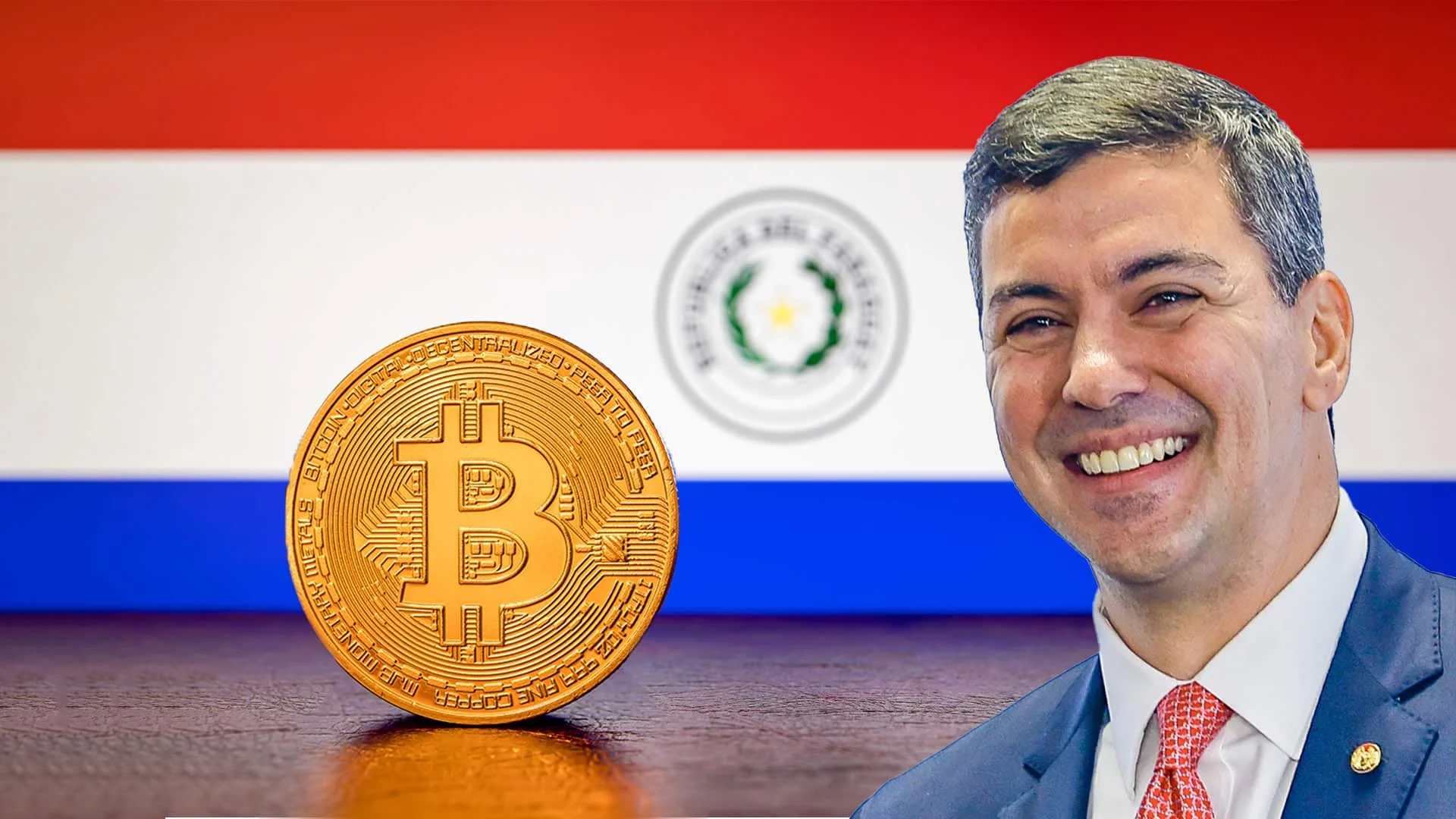
Why Paraguay Has Quietly Entered the Global Bitcoin Conversation
Paraguay rarely appears in global crypto headlines, yet over the past few years it has become a recurring point of reference in discussions about Bitcoin adoption, mining, and capital relocation. This interest is not driven by ideological enthusiasm or government-led promotion, but by something more structural: energy economics, regulatory neutrality, and macro stability.
For Bitcoin investors, miners, and globally mobile capital, Paraguay represents a low-noise jurisdiction where incentives are shaped less by political narratives and more by practical realities. Understanding how Bitcoin fits into Paraguay’s legal, economic, and financial framework requires separating myth from substance — and avoiding comparisons with more radical experiments elsewhere.
Paraguay’s Macroeconomic Context: Why Bitcoin Even Matters Here
Paraguay’s appeal to Bitcoin-related capital starts with fundamentals. The country has one of the most stable macro profiles in Latin America: low public debt, consistent GDP growth, a conservative banking system, and limited exposure to external shocks. Unlike larger economies in the region, Paraguay has avoided chronic inflation, capital controls, and aggressive financial repression.
Equally important is what Paraguay has not done. It has not attempted to aggressively regulate or promote Bitcoin. There is no forced adoption, no legal tender mandate, and no central-bank-led crypto experiment. Instead, the state has largely allowed Bitcoin to exist in a legal gray zone — tolerated, observable, and taxable when relevant, but not politicized.
This regulatory neutrality is often more attractive to long-term investors than explicit endorsement. Markets tend to price predictability higher than enthusiasm.
Legal Status of Bitcoin in Paraguay
Is Bitcoin legal in Paraguay?
Bitcoin is legal to own and trade in Paraguay, but it is not legal tender. This distinction matters. Bitcoin is treated as a digital asset rather than a currency, meaning there is no obligation for businesses to accept it, nor any prohibition against holding or transacting with it privately.
Paraguayan law does not criminalize Bitcoin usage, mining, or custody. However, the lack of a dedicated crypto framework means that Bitcoin-related activities are interpreted through existing financial, tax, and commercial laws.
Regulation: permissive, not progressive
Several legislative proposals aimed at regulating Bitcoin mining and exchanges have been introduced over the years, primarily focusing on energy usage and licensing. Most have stalled or been softened, reflecting internal recognition that overly aggressive regulation could deter investment.
The current environment can best be described as permissive but cautious. Authorities monitor activity, particularly at the industrial mining level, but retail ownership and private transactions face minimal scrutiny.
Bitcoin Mining in Paraguay: Energy as the Core Advantage
Hydropower surplus and global competitiveness
Paraguay’s most significant Bitcoin-related advantage is energy. The country is one of the world’s largest exporters of renewable electricity, primarily from hydropower plants such as Itaipú and Yacyretá. Domestic consumption is relatively low, leaving a persistent energy surplus.
For Bitcoin miners, this translates into:
- low electricity costs by international standards,
- high grid reliability,
- renewable energy credentials increasingly valued by institutional investors.
Electricity pricing varies by scale and negotiation, but Paraguay consistently ranks among the most cost-competitive jurisdictions for large-scale mining operations.
Mining policy and political sensitivity
Despite the energy advantage, Bitcoin mining is politically sensitive. Policymakers are cautious about allocating subsidized power to foreign operators, particularly during periods of public debate around national energy sovereignty.
This has led to a pragmatic stance: mining is allowed, but not encouraged at any cost. Industrial miners are expected to formalize operations, negotiate tariffs, and contribute economically rather than simply extract cheap electricity.
For smaller or mid-sized miners, Paraguay remains viable, but the era of unrestricted, ultra-cheap access is narrowing.
Bitcoin Taxation in Paraguay
Is Bitcoin taxed in Paraguay?
Yes — but selectively and pragmatically.
Paraguay operates under a territorial tax system, meaning only income generated within Paraguay is subject to taxation. This framework has important implications for Bitcoin holders.
- Holding Bitcoin: There is no wealth tax on crypto holdings.
- Capital gains: Gains realized from Bitcoin transactions may be taxable if they are considered Paraguayan-source income.
- Trading activity: Frequent or professional trading conducted from Paraguay can trigger income tax obligations.
- Mining income: Mining profits are generally taxable, as mining is considered an economic activity performed within the country.
In practice, enforcement focuses on scale and visibility. Casual holders face minimal friction; structured operations are expected to comply.
Reporting and compliance
Paraguay does not currently impose comprehensive crypto reporting obligations similar to those in the EU or US. However, banks and service providers increasingly apply AML and source-of-funds checks when crypto interacts with the traditional financial system.
This reinforces a key principle: Bitcoin is tolerated privately, but becomes regulated when monetized or institutionalized.
Banking, Exchanges, and On/Off-Ramps
Can you cash out Bitcoin in Paraguay?
Yes, but with limitations.
Local banks are conservative and often reluctant to directly service crypto-related businesses. Retail users typically rely on:
- international exchanges,
- peer-to-peer platforms,
- offshore banking relationships.
Transfers involving crypto-derived funds may trigger enhanced due diligence, especially for larger amounts. This does not imply prohibition, but it does require documentation and patience.
Paraguay’s banking culture prioritizes stability over innovation — a feature that frustrates some crypto users but reassures risk-averse capital.
Bitcoin and Residency in Paraguay
Does owning Bitcoin help with residency?
Indirectly.
Paraguay has become popular among individuals seeking residency or a “Plan B” jurisdiction. While Bitcoin ownership alone does not grant residency, crypto-derived wealth can support financial solvency requirements, provided it is properly documented.
In practice, applicants often convert part of their holdings into fiat or demonstrate income streams tied to crypto activities. The system rewards clarity rather than ideology.
Comparing Paraguay to Other Bitcoin Jurisdictions
Paraguay is often mentioned alongside countries like El Salvador, Portugal, or Panama — but the comparison is misleading.
- El Salvador pursued ideological adoption and legal tender status.
- Portugal offered tax incentives but is gradually tightening rules.
- Panama balances openness with financial scrutiny.
Paraguay’s approach is different. It offers structural advantages without narrative risk. No grand announcements, no political symbolism — just energy, low taxes, and relative indifference.
For long-term investors, this often proves more durable.
Risks and Constraints
Bitcoin-related activity in Paraguay is not without risks:
- Regulatory ambiguity: The absence of clear rules creates uncertainty.
- Banking friction: Fiat integration can be slow.
- Political recalibration: Energy policy could tighten if public pressure grows.
- Market size: Paraguay is small; ecosystem depth is limited.
These risks are manageable, but they reward preparation and local expertise.
Strategic Perspective: How to Think About Bitcoin in Paraguay
Bitcoin in Paraguay should not be viewed as a speculative frontier or ideological experiment. It functions best as part of a broader capital diversification strategy, where low correlation, jurisdictional optionality, and energy economics matter more than short-term gains.
Paraguay does not try to attract Bitcoin — and that may be its greatest strength. By staying quiet, it avoids backlash, overregulation, and policy reversals. For investors who value predictability over promotion, this creates a rare environment where Bitcoin can exist without being politicized.
Final Takeaway: Bitcoin’s Role in Paraguay’s Financial Landscape
Paraguay is not a crypto haven in the marketing sense. It is a structural haven — quiet, energy-rich, and administratively tolerant. Bitcoin here is neither glorified nor suppressed; it is simply another asset navigating a conservative financial system.
For Bitcoin holders, miners, and globally mobile investors, Paraguay offers something increasingly scarce: a jurisdiction where incentives are aligned with reality rather than narrative. Those who understand this distinction — and adjust expectations accordingly — are best positioned to benefit.


Leave a Reply